Purley High Street rubbish removal guide for shops and flats
If you manage a shop on Purley High Street or live in a flat nearby, rubbish has a habit of appearing at exactly the wrong time. A burst stock delivery leaves cardboard everywhere. A tenant move-out reveals a broken wardrobe, a sagging mattress, and a bin store that already looks full by Tuesday. That is where a practical Purley High Street rubbish removal guide for shops and flats helps: it shows what to do, what to avoid, and how to keep things moving without turning the pavement, stairwell, or rear access into a small disaster.
This guide is written for real-life situations, not ideal ones. Tight frontages, shared entrances, limited parking, awkward loading times, and mixed-use buildings all change the job. The good news? With a bit of planning, clearance can be fast, tidy, and surprisingly straightforward. Let's break it down properly.
Why Purley High Street rubbish removal guide for shops and flats Matters
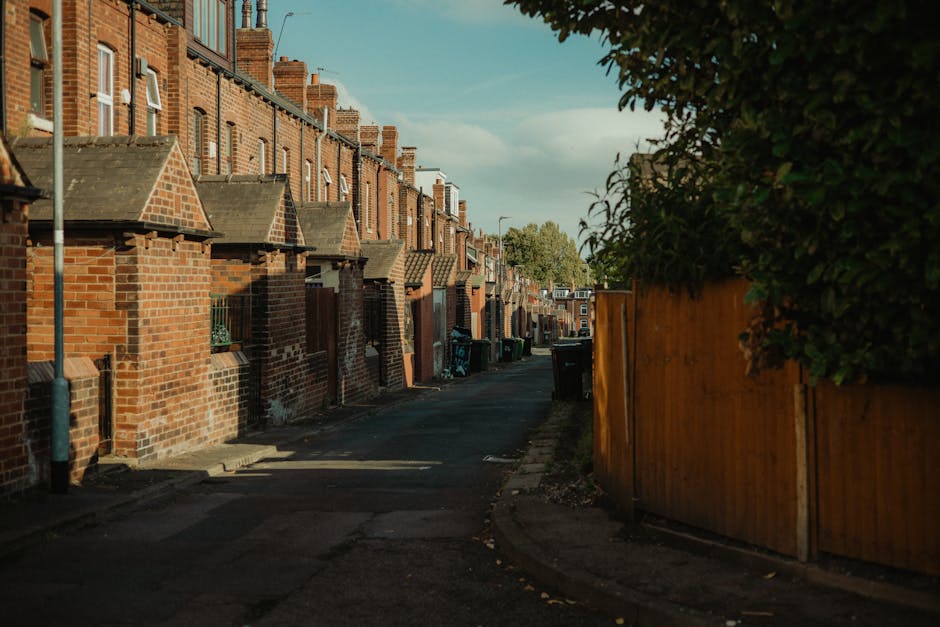
High streets and apartment buildings create their own waste problems. They are busy, space is limited, and rubbish often has to move through shared areas rather than a private driveway. On Purley High Street, that can mean bins behind a shop, narrow service access, upper-floor flats, and foot traffic that never quite stops.
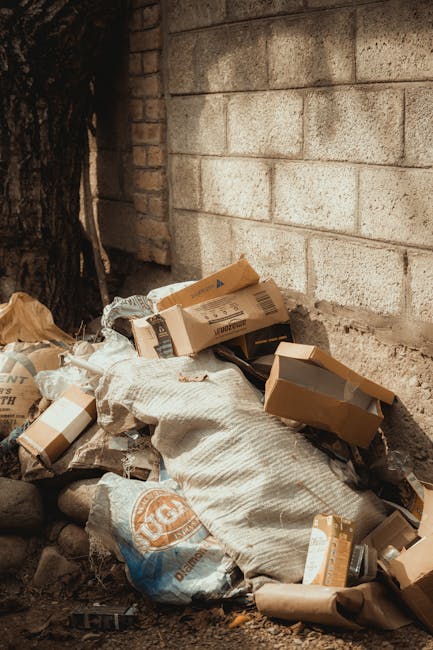
For shops, rubbish removal is about more than appearances. Overflowing waste can block storage space, attract complaints from neighbours, and make trading feel less organised. If you sell anything with packaging, seasonal stock, or display materials, waste builds up quickly. The pile starts as a few boxes, then suddenly you cannot get to the back room. Classic.
For flats, the issue is usually access and respect for shared spaces. A hallway full of old furniture or a landing blocked by bagged waste causes friction very fast. It also becomes a safety issue. One wet cardboard box on a stairwell is enough to make a mess, and in winter that damp, fibrous smell seems to linger forever.
The other reason this matters is consistency. Rubbish removal works best when everyone understands the rhythm: what goes out, when it goes out, who moves it, and where it should sit before collection. Without that, waste tends to drift into the wrong places. That is when a simple job becomes a complaint, a delay, or an avoidable extra charge.
Expert summary: The best rubbish removal setup for shops and flats is the one that keeps shared access clear, separates recyclable and non-recyclable items early, and avoids last-minute panic on collection day.
How Purley High Street rubbish removal guide for shops and flats Works
In practice, rubbish removal for a high street shop or flat is a short chain of decisions. First, you identify what needs to go. Then you sort what can be moved safely, what needs special handling, and what may require additional care such as confidential shredding or appliance removal. After that, you decide whether it is a one-off clearance or an ongoing waste service.
For a shop, the process often begins with a stockroom clear-out, a refit, or a change in trading season. Packaging, broken shelving, old fixtures, and damaged stock tend to appear together. You may also need to clear bulky items from the rear yard or basement. If the work is more involved, a wider business waste removal service is usually a better fit than ad hoc bin emptying.
For a flat, the flow is a little different. The job might involve a tenant move, end-of-tenancy tidy-up, or clearing a property after years of accumulated items. Smaller removals can usually be handled as part of flat clearance, while larger jobs may need a fuller approach that includes furniture, white goods, or mixed household rubbish. If there are items like sofas, fridges, or mattresses, they need to be separated early so the team knows what equipment and handling is required.
Most removals follow a similar pattern:
- Survey the waste and estimate volume.
- Check access, parking, and lift or stair use.
- Separate general rubbish, bulky waste, recyclables, and restricted items.
- Arrange the collection time to fit building rules and street conditions.
- Remove, load, and sweep through the working area.
- Send items for reuse, recycling, or responsible disposal where appropriate.
The detail sounds simple, but the execution matters. A clearance that feels easy indoors can become awkward the second a lift is too small, a fire exit must stay open, or a loading point is already occupied. That is why planning usually saves more time than effort.
Key Benefits and Practical Advantages
A good rubbish removal plan does three useful things at once: it clears space, reduces stress, and makes the building easier to manage. For shops and flats, those benefits are not abstract. They show up in day-to-day life.
1. Better use of space
When packaging, broken furniture, or unused items are removed properly, the room feels bigger straight away. In a shop, that means easier stock handling and better presentation. In a flat, it means hallways, cupboards, and balconies stop acting like overflow storage. Small win, but a real one.
2. Less disruption to neighbours and customers
Clearance done neatly is quieter, cleaner, and easier on everyone around it. No one likes stepping around old carpet rolls or waiting while bags are dragged across a shared entrance. Good timing and tidy lifting make a visible difference.
3. Safer movement through the property
Waste stored in the wrong place creates trip hazards, blocked exits, and fire risk concerns. That is especially relevant in flats where shared corridors are used by several households, or in shops where staff need to pass through back-of-house areas quickly.
4. More predictable costs
With a clear list of what needs removing, you are less likely to pay for wasted time or repeated visits. If the load is planned well, the collection can be more efficient. This is where checking pricing and quotes early helps, because you can match the job to the right method rather than guessing.
5. Better recycling outcomes
Mixed waste is harder to process. When you separate cardboard, clean wood, metal, furniture, and appliances, more of it can be routed sensibly. If sustainability matters to you, it usually starts with the sort, not the truck.
There is also a quieter benefit: peace of mind. That backlog of rubbish in the service yard or beside the utility cupboard stops nagging at you. Honestly, that matters more than people admit.
Who This Is For and When It Makes Sense
This guide is for anyone dealing with rubbish in a shared or high-traffic setting around Purley High Street. That includes independent retailers, cafe operators, landlords, letting agents, housing managers, block residents, and tenants leaving or entering a property.
It makes sense when you have:
- a one-off clear-out after stock changes or refurbishment
- bulky items that will not fit in standard bins
- mixed rubbish in a flat with limited storage
- an end-of-tenancy clearance that needs doing quickly
- items that require special handling, such as appliances or confidential papers
- waste that has been building up faster than your regular bin collection can handle
Shop owners often need help after deliveries, refits, or downsizing. Flats bring different pressures. Shared bin areas overflow. Old furniture sits around while everyone waits for "someone else" to deal with it. That sentence has caused more hassle than it should, to be fair.
It also makes sense to call in support when the job involves awkward items, heavy lifting, or compliance concerns. For example, a broken fridge is not just another piece of rubbish. You may need the right removal route for appliances, which is why fridge and appliance removal is worth considering when white goods are involved.
If the items are domestic but bulky, the same idea applies. Sofas, wardrobes, and mattresses are cumbersome in narrow stairwells and often need careful handling. In those cases, specialist pages such as mattress and sofa disposal or furniture disposal can be more useful than trying to treat everything as ordinary rubbish.
Step-by-Step Guidance
Here is a practical way to approach rubbish removal without overcomplicating it.
1. Walk the space first
Start with a proper look at what needs removing. In a shop, check storage rooms, rear yards, under counters, and any forgotten corners where packaging gathers. In a flat, check cupboards, balconies, loft spaces, and the route from the property to the exit. You are looking for volume, weight, and access issues.
2. Separate the waste into clear groups
Keep general rubbish apart from items that may need special treatment. Typical groups include:
- cardboard and packaging
- broken furniture
- appliances and electrical items
- paper records
- building or refurbishment waste
- garden waste if applicable
- anything damaged, damp, or potentially hazardous
If the job sits alongside a renovation, a dedicated builders waste clearance approach may be more suitable than a general household tidy-up.
3. Decide what can be reused, donated, or recycled
Not every item should go straight to disposal. Shelving, office furniture, and some domestic pieces may still have life left in them. It is often worth asking whether an item is genuinely beyond use. A wobbly chair, for example, may be junk. A sturdy filing cabinet with one broken drawer? Maybe not.
For mixed domestic loads, you can also review recycling and sustainability guidance so the right materials are kept out of the general waste stream where possible.
4. Check access and timing
This is the step people forget. Can a vehicle stop nearby? Is there a narrow entrance? Are there stairs? Is there a lift? Will the removal need to happen before the shop opens, after closing, or between tenant handovers? A five-minute access check can prevent a half-hour delay.
5. Protect shared areas
Lay out a path for moving items. Keep doors propped safely if needed, but not in a way that blocks fire safety. Use coverings if items may scratch flooring or leave dirt behind. In a block of flats, this small bit of care keeps neighbours happier and the building manager calmer. A tidy stairwell matters more than people think.
6. Arrange collection and confirm what is included
Make sure everyone is clear on what is going, what is staying, and whether lifting, loading, or sweep-up is included. If the job involves paperwork, a secure option like confidential shredding may be appropriate before anything leaves the premises.
7. Do a final sweep and check
Once the waste is removed, inspect corners, skirting, and access routes. In my experience, this is where the forgotten item appears: one old box file, a loose lamp shade, or a bin bag that somehow hid behind the door. Happens all the time.
Expert Tips for Better Results
A few small choices make rubbish removal smoother and cheaper in the long run.
Plan around opening hours. For shops, avoid times when deliveries arrive or customer footfall is highest. Early morning often works best. In flats, weekday mid-morning can be less disruptive than evenings when people are cooking, coming home, or trying to get a baby to nap. Not always possible, but worth aiming for.
Label piles before collection day. If several people share the space, labels stop confusion. Use simple words like "keep," "recycle," "remove," and "special waste." It feels a bit organised-and-grown-up, which is oddly satisfying.
Break items down where it is safe to do so. Flat-pack furniture, cardboard, and shelving often take up less room once dismantled. That said, do not force it if doing so makes the item unsafe to carry or creates sharp edges.
Keep an eye on hidden waste. Backrooms, under-stair cupboards, and storage lofts are famous for collecting things nobody remembers ordering. If you have one, a loft or storage purge may overlap with loft clearance or even garage clearance style work.
Be honest about special items. Fridges, mattresses, sofas, and other awkward objects take more care than ordinary rubbish. Mention them early. The same goes for anything sharp, heavy, wet, or potentially contaminated.
Choose one tidy route out. If possible, move items through the same access point rather than opening multiple routes. It reduces mess, confusion, and that "where is everyone going?" feeling that sometimes happens in busy buildings.
Ask how waste is handled after collection. A reliable provider should be able to explain sorting, recycling, and disposal in plain language. If the business talks clearly about standards, insurance, and security, that is usually a good sign. You can also review pages like insurance and safety and health and safety policy to understand the sort of care a professional operation should take.
Common Mistakes to Avoid
Most clearance problems are avoidable. Usually, they come from rushing or assuming the waste is simpler than it is.
- Leaving everything until collection day. Then the pile is larger, the route is unclear, and nobody is quite sure what the job includes.
- Blocking shared hallways or entrances. In flats, that creates immediate friction. In shops, it can interrupt trade and create safety issues.
- Mixing special items with normal rubbish. A broken fridge, chemical container, or confidential paper batch should not be treated casually.
- Forgetting about parking or loading restrictions. A beautiful plan can unravel fast if a vehicle cannot stop safely.
- Assuming every item is disposable in the same way. Some waste is straightforward. Some is not. The difference matters.
- Ignoring neighbour or building-manager expectations. Shared buildings run better when people communicate, even briefly.
One subtle mistake is underestimating volume. A room can look nearly empty until you start moving things. Then the bags appear, the boxes unfold, and somehow there is more. It is a strange little physics problem, really.
Tools, Resources and Recommendations
You do not need fancy equipment to organise rubbish removal well. A few basics go a long way.
- Heavy-duty sacks or boxes for smaller waste and sorting
- Labels or marker pens to identify items that stay or go
- Gloves for safe handling of dusty, sharp, or dirty waste
- Trolley or sack truck for heavier items where appropriate
- Floor protection such as old coverings or cardboard sheets for tight access routes
- Measuring tape if bulky furniture has to fit through stairwells or doorways
For larger domestic clearances, it can help to compare the wider service fit. A flat with a lot of mixed contents may lean towards home clearance or house clearance, while a single-room overflow might be simpler and quicker.
If the waste is mainly old furniture, think about whether it should be treated as disposal or a more general furniture collection. The distinction is practical rather than dramatic, but it helps match the job to the right method. For example, furniture clearance is useful when the load is mostly bulky household or office pieces.
And if you are comparing service formats, it is worth reviewing the provider's booking process through book online and reading the terms before committing. Simple, maybe a bit dull, but useful.
Law, Compliance, Standards, or Best Practice
Waste handling in the UK needs a sensible, compliant approach. You do not need to become a legal expert, but you do need to avoid casual mistakes.
For shops, duty of care matters. That means waste should be transferred to a legitimate carrier and handled responsibly. If you are a business, keep records where appropriate and make sure waste is not left with anyone who cannot properly explain what happens to it.
For flats and shared buildings, the main concern is safe storage and access. Waste should not block fire exits, escape routes, communal doors, or essential services. It sounds obvious, but in real buildings obvious things get overlooked when the bin store is overflowing or a hallway is being used as a temporary dumping ground.
Special items need special attention. Hazardous materials, chemicals, some electrical waste, and contaminated items should not be mixed into general rubbish. If there is any doubt, isolate the item and ask for guidance. A cautious approach is better than guessing. You can also review hazardous waste disposal for a better sense of how sensitive items should be treated.
Good practice also includes:
- keeping shared routes clear
- minimising nuisance to neighbours and customers
- sorting recyclable material where practical
- using suitable lifting methods for bulky items
- making sure staff or residents know the collection plan
- confirming payment and booking details clearly
If you want extra reassurance on administration and trust, pages like payment and security, terms and conditions, and about us can help you understand how a provider presents itself and how seriously it takes the basics.
Options, Methods, or Comparison Table
There is no single best way to handle rubbish. The right method depends on volume, access, urgency, and what type of waste you have. Here is a simple comparison to help you choose.
| Method | Best for | Strengths | Watch-outs |
|---|---|---|---|
| DIY bin-by-bin removal | Very small waste volumes | Cheap, flexible, immediate | Time-consuming, tiring, not ideal for bulky items |
| Scheduled bin collection only | Routine light waste | Simple for ongoing waste streams | Often too slow for clear-outs or bulky rubbish |
| Professional rubbish removal | Mixed loads, flats, shops, bulky items | Fast, organised, less physical effort | Needs clear access and accurate description of the load |
| Specialist clearance service | Furniture, appliances, builders waste, sensitive items | Better handling for awkward material | May cost more if the job is highly specific |
For a busy shop with packaging build-up, professional removal is often the most efficient option. For a flat with one or two items, a smaller clearance may be enough. For refurbishment waste, a more focused route such as builders waste clearance is usually the smarter choice.
Case Study or Real-World Example
Picture a small retail unit on Purley High Street on a damp Thursday morning. The shop has just finished a mini refit. There is cardboard stacked by the back door, a damaged counter panel, two worn display units, and a few bags of general rubbish. Nothing dramatic, but it is enough to make the stockroom awkward to use. Staff need room for deliveries, and the manager wants the frontage to stay tidy.
The first sensible move is to separate the recyclable cardboard from the bulky mixed waste. The second is to check the rear access route. One lockable gate, one narrow step, and not much space to swing a large item. So the items are broken down where possible, the route is cleared, and the collection happens before opening. By 9:30 a.m., the back area is usable again. No drama. No lingering mess.
Now compare that with a second-floor flat a few doors down. A tenant has moved out, leaving a mattress, a bedside cabinet, and several bags of clutter in the hallway. The building has a shared stairwell and limited waiting space by the entrance. In that case, the best result comes from short, direct planning: keep the hallway clear, move items quickly, and use a clearance approach that suits bulky domestic items. The key is not just removal. It is removal without causing bother for everyone else in the building.
These are ordinary jobs, truth be told. But ordinary jobs are exactly where planning saves time and keeps neighbours onside.
Practical Checklist
Use this checklist before collection day.
- List every item that needs to go.
- Separate general waste, bulky waste, recyclables, and special items.
- Check stairwells, lifts, door widths, and any tight corners.
- Confirm parking or loading space.
- Make sure shared entrances and fire routes stay clear.
- Move fragile or valuable items out of the working area.
- Label anything that should not be taken.
- Confirm the collection time and access instructions.
- Ask about appliance, furniture, or confidential-item handling if needed.
- Do a final sweep once the waste has gone.
If you can tick those off, you are already ahead of most rushed clearances. Not glamorous, but effective.
Conclusion
Managing rubbish on Purley High Street is mostly about staying one step ahead of the mess. For shops, that means keeping trading space clean, access routes open, and bulky waste under control. For flats, it means respecting shared areas, planning around limited space, and removing items before they become everyone's problem.
The best results usually come from simple habits: sort early, check access, protect shared spaces, and match the removal method to the waste you actually have. Do that, and the whole job becomes calmer, quicker, and far less stressful than it first looks.
And if the pile still feels bigger than the room, that is your sign to get help rather than wrestling with it all afternoon.
Get a free quote today and see how much you can save.
Sometimes the tidy-up is the easy part. The real win is walking back in afterwards and feeling the space breathe again.
Frequently Asked Questions
What is the best rubbish removal option for shops on Purley High Street?
It depends on the waste type and volume, but most shops do best with a professional rubbish removal service when the load includes bulky items, packaging, or mixed waste. Routine bin collections are fine for everyday waste, but they are usually too slow for clear-outs, refits, or stockroom resets.
Can flats use the same rubbish removal approach as shops?
Not quite. Flats usually need more care around shared entrances, stairs, lifts, and neighbour access. The method can be similar, but the planning is different. For flats, the main focus is safe movement through communal areas and avoiding disruption to other residents.
How do I know if I need flat clearance rather than general waste removal?
If you are removing furniture, multiple bags, and mixed household items from a flat, a dedicated flat clearance service is often more suitable. General waste removal is better for smaller or more straightforward loads. If in doubt, think about whether the job is mostly "rubbish" or mostly "contents."
What items need special handling during rubbish removal?
Items such as fridges, appliances, sofas, mattresses, confidential paperwork, and anything potentially hazardous should be flagged early. They may need separate handling or special disposal routes. It is always better to mention them before collection day rather than at the kerbside.
How can shops reduce waste build-up in busy periods?
Break packaging down as soon as deliveries arrive, keep a clear sorting area, and arrange removal before the storage room gets clogged. A little routine helps. If stock changes happen regularly, a business waste removal plan is usually better than reacting once the bin store is already full.
Is it worth separating recyclable waste from general rubbish?
Yes, if you can do it safely and consistently. Cardboard, metal, clean wood, and some furniture items can often be kept apart from mixed waste, which may help the overall clearance run more smoothly. It also makes the process feel less chaotic. Which, frankly, is nice.
What should I check before booking a rubbish removal service?
Check access, parking, the type of waste, whether anything is heavy or awkward, and whether you need additional services like appliance removal or shredding. It also helps to read the provider's terms, payment details, and safety information before you confirm anything.
Can rubbish removal happen outside shop opening hours?
In many cases, yes. Early morning or after closing can be a better fit for shops, especially where customer access is limited. For flats, quieter mid-morning slots are often easier for residents. The best timing depends on the building and the amount of waste involved.
What is the main risk of leaving waste in communal areas?
Blocked access, trip hazards, complaints from neighbours, and fire safety concerns are the biggest issues. Even a small pile can become a problem if it sits in a stairwell or corridor for too long. Shared spaces need to stay usable.
Do I need to worry about compliance for business waste?
Yes, business waste should be handled properly and passed to a legitimate carrier. You do not need to be alarmed, just careful. Keep clear records where appropriate and make sure waste is not handed to anyone who cannot explain what happens next.
What if I only have one bulky item, like a sofa or mattress?
Then a smaller specialist clearance may be enough. Bulky single-item jobs are common, especially in flats. It is still worth checking access and whether the item can be moved without damaging walls, railings, or stairwells.
Where can I learn more about safe and responsible waste handling?
A good starting point is the service information on recycling, safety, and disposal options. For example, the pages on recycling and sustainability, health and safety policy, and insurance and safety provide useful context on how a careful provider approaches the work.