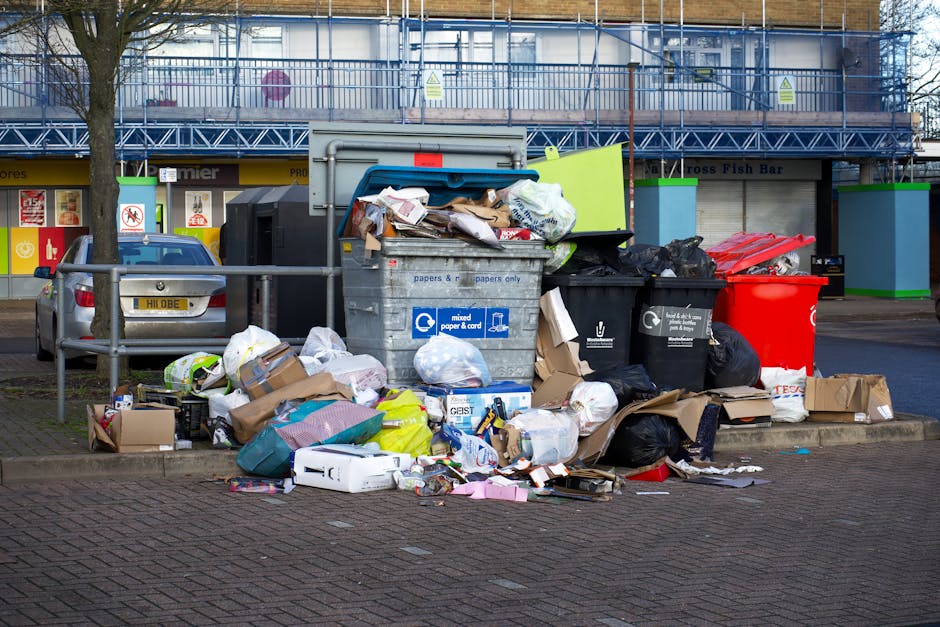
Avoid hidden rubbish removal charges in CR8 what to know
If you are trying to avoid hidden rubbish removal charges in CR8 what to know before you book, you are already doing the smart thing. Waste clearance should feel straightforward: a price, a time slot, a load collected, job done. But let's face it, the bill can get messy if the quote is vague or the wording is slippery. One minute you think you have a simple collection, the next you are being told there is a "labour uplift", a "disposal surcharge", or some other line item nobody mentioned at the start.
This guide breaks down how rubbish removal pricing usually works, where hidden extras tend to creep in, and what to check before you say yes. It is written for CR8 homeowners, landlords, tenants, tradespeople, offices, and anyone else who wants a clear, honest service without the mid-job sting. If you want to compare pricing and understand the quote properly, it also helps to look at the company's pricing and quotes page alongside the service you need.
Truth be told, the best way to save money is not to chase the cheapest number on the page. It is to know exactly what that number includes.
Table of Contents
- Why hidden rubbish removal charges matter in CR8
- How rubbish removal pricing usually works
- Key benefits of clear, upfront pricing
- Who this advice is for
- Step-by-step guidance before you book
- Expert tips for better value
- Common mistakes to avoid
- Tools, resources and useful checks
- Law, compliance and best practice
- Options and pricing comparisons
- Real-world example
- Practical checklist
- Conclusion
- Frequently asked questions
Why hidden rubbish removal charges in CR8 what to know Matters
Hidden charges are frustrating anywhere, but they are especially annoying when you are already dealing with clutter, building debris, or a deadline. In CR8, people often book rubbish removal during a move, after a renovation, or when a garage, loft, or garden has finally reached the point where you cannot ignore it another week. At that stage, clarity matters. You are not just paying for someone to take things away; you are paying for certainty, time saved, and less stress.
The main issue is that waste jobs can look simple from the outside and become more complicated on arrival. A pile of waste can include heavy items, mixed materials, awkward access, or items that need special handling. That is normal. What should not happen is a vague price that changes without explanation.
For many customers, the real problem is not the final amount itself. It is the feeling that they were not given a fair chance to understand it. That is why a transparent rubbish removal quote is worth more than a flashy headline price. In our experience, people remember the surprise more than the savings.
Key point: A trustworthy quote should explain what is included, what could change, and what would trigger any extra charge before the team arrives.
It is also worth thinking about the wider value. A properly explained price helps you compare services like general waste removal, home clearance, or more specific services such as builders waste clearance without guessing what is hidden in the small print.
How Avoid hidden rubbish removal charges in CR8 what to know Works
Most rubbish removal services price jobs using a mix of factors. That is the normal model. The main ones are volume, weight, item type, access, labour time, and disposal costs. If the quote is based only on a quick photo and nothing else, there is a greater risk of later adjustments. Not always, but often enough to be worth watching.
Here is the basic flow you will usually see:
- You describe the waste - for example, mixed household rubbish, old furniture, office clutter, or post-renovation debris.
- The provider estimates the job - sometimes from photos, a call, or a site visit.
- A quote is given - ideally with clear inclusions and exclusions.
- The team arrives - they check the load, access, and any special handling needs.
- The collection happens - the load is removed, sorted, and taken for disposal or recycling.
- The invoice is issued - if everything was described properly, the amount should match the quote.
The part that creates trouble is the gap between the initial description and the actual load. A sofa plus cushions is one thing. A sofa plus a mattress, broken drawers, paint tins, and a blocked side access gate is another. The wider the gap, the more likely a charge dispute becomes.
That is why you should ask how the price is calculated, not just what the number is. If you need a service with heavier or mixed materials, pages like furniture disposal, mattress and sofa disposal, or fridge and appliance removal are useful reference points for understanding how different item types can affect expectations.
One small but important detail: if a company says "from" pricing, that is not automatically bad. It just means the final cost depends on the actual waste and the work involved. The key is whether the conditions are plain, fair, and explained in advance.
Key Benefits and Practical Advantages
When pricing is transparent, you gain more than just a tidy invoice. You gain control. You know what you are agreeing to, you can compare like with like, and you can plan properly. That matters whether you are clearing out a flat, emptying a garage, or booking a larger office job.
- No nasty surprises: You are less likely to get hit with unexpected add-ons after the team has started.
- Better comparison: Clear pricing lets you compare quotes on real value, not vague headlines.
- Faster decisions: When the inclusions are obvious, you do not waste time chasing clarifications.
- Less stress on collection day: You can focus on the practical job, not the invoice.
- More honest service: Clear pricing often reflects a clear process behind the scenes too.
There is also a practical benefit many people overlook: good price clarity helps you choose the right service for the job. For example, a garage clearance can be very different from a small office clearance, and a loft job may involve awkward stairs, dust, and time-consuming lifting. If the quote reflects those realities upfront, fair enough. At least you know why.
For larger or more sensitive jobs, it can also be useful to review the provider's supporting pages on office clearance, garage clearance, or loft clearance so you can match the service to the actual mess in front of you.
Who This Is For and When It Makes Sense
This topic is for anyone in CR8 who wants rubbish removed without losing track of the cost. That includes private households, landlords, letting agents, builders, offices, and small business owners. If you have ever looked at a cheap quote and thought, "Hmm, what exactly is not included here?", this is for you.
It makes particular sense when:
- you have mixed waste rather than one simple item
- access is tight, such as narrow stairs or limited parking
- you are clearing bulky furniture or appliances
- you are dealing with building debris from a project
- you need the job done quickly and cannot afford delays
- you want to compare a man-and-van style collection with a more structured waste removal service
Tenants often ask about this when moving out of flats. Landlords ask it after a tenant has left behind furniture, black bags, or a few awkward items in the hallway. Office managers ask it when the old desks, monitors, and storage units have piled up and need removing without disrupting the whole day. Different scenario, same issue: what is the real cost, and what is included?
If your job involves a business premises, it may be worth reviewing business waste removal before you book. If the clearance is connected to a property handover or a full reset, house clearance or flat clearance may be more suitable. Small difference, big effect on pricing.
Step-by-Step Guidance
If you want to avoid hidden rubbish removal charges, the best approach is simple and methodical. Nothing fancy. Just a decent process.
1. Describe the waste properly
Start with an honest description. Mention the type of waste, rough quantity, and whether there are heavy, awkward, or fragile items. If there are old white goods, chemicals, broken plasterboard, or mixed construction waste, say so clearly. Half the pricing confusion starts here.
2. Share photos from more than one angle
Photos help, but one close-up image of a pile on the floor is not always enough. Send wider shots too. Show the access route if it may be tight. A side gate, a top-floor flat, or a basement room can all affect the work involved.
3. Ask what the quote includes
Do not stop at the total. Ask whether the price includes labour, loading, travel, disposal, recycling, congestion, stairs, and parking time. It sounds a bit tedious, but this is where hidden extras are often born.
4. Ask what could change the price
Any honest provider should be able to explain the circumstances that trigger additional costs. For example, the load might be bigger than described, there may be restricted access, or some items may require specialist handling. If the answer is vague, keep your wallet alert.
5. Get the terms in writing
A written quote or booking confirmation reduces friction later. Even a simple email summary is better than a phone conversation nobody can prove. If a company has a clear terms and conditions page, read it. Boring? Yes. Useful? Absolutely.
6. Check how payment works
Understand when payment is due and which methods are accepted. A trustworthy service should also be open about security and billing practices. The page on payment and security can help set expectations before collection day.
7. Confirm waste handling standards
If your load includes mixed waste, recyclable materials, or anything sensitive, ask how it will be handled. This is not just about price. It is also about compliance and peace of mind.
Expert Tips for Better Results
Here is the part people usually skip, and then regret later. A few small habits can make the price far more predictable.
- Be precise about volume: "A van load" means different things to different providers. Try to describe the actual space the waste occupies.
- Separate special items early: Keep hazardous or specialist materials away from general rubbish so they can be priced correctly.
- Check access before booking: If the team has to carry waste down three flights of stairs, say so. Nobody enjoys guessing on arrival.
- Ask about loading time: A collection that looks quick in a driveway can take longer from inside a property.
- Compare on inclusions, not just headline price: A slightly higher quote can be better value if it genuinely includes everything.
In our experience, one of the biggest savings comes from preparing the waste properly before the team arrives. That means grouping items by type, clearing a path, and making sure anything you want to keep is out of the way. You do not need to turn the place into a showroom. Just make the job easier. It helps more than people think.
For bulky domestic items, it can be useful to check specific service pages such as furniture clearance, garden clearance, or home clearance. These pages often reflect the kind of waste and access issues that influence the final price.
Common Mistakes to Avoid
Most billing disputes come from a short list of avoidable mistakes. None of them are dramatic. They are just easy to miss when you are busy.
- Choosing the cheapest quote without checking the detail: A low number can be misleading if disposal, labour, or access are not included.
- Giving a vague description: "A few bits and bobs" is not enough, honest.
- Forgetting about heavy items: A single appliance can change the job more than a pile of lighter rubbish.
- Ignoring access conditions: Stairs, parking restrictions, and long carry distances can all affect cost.
- Not reading the booking confirmation: The fine print is where the real agreement lives.
- Assuming all waste is treated the same: Hazardous materials and certain bulky items may need separate handling.
One of the oddest mistakes people make is hiding the awkward details out of embarrassment. A dusty loft, a smashed wardrobe, a half-dead freezer in the shed - it happens. The collection team has seen worse, probably before breakfast. Tell them the truth and you are far more likely to get a fair quote.
If you are dealing with items that need special treatment, have a look at hazardous waste disposal and fridge and appliance removal so you can understand why some loads cannot be priced like ordinary household rubbish.
Tools, Resources and Recommendations
You do not need a complicated toolkit to protect yourself from hidden rubbish removal charges. A phone camera, a notes app, and a bit of organisation will do most of the work.
Useful things to prepare before you request a quote
- clear photos of the waste from different angles
- an estimate of how many bags, boxes, or bulky items you have
- notes on access, stairs, parking, and loading distance
- a list of any items that may need special handling
- your preferred timing and whether the job is urgent
Useful pages to review before booking
If you are comparing service types, these pages can help you understand what kind of work you are actually pricing: what can go in a skip is useful if you are weighing up skip-style disposal versus direct collection, while recycling and sustainability is helpful if you care about what happens after the waste leaves your property.
If your job is tied to a renovation or trade project, builders waste clearance can be a better fit than generic rubbish removal. If it is an end-of-tenancy reset or a commercial tidy-up, the more specific route often avoids confusion and pricing mismatches.
A useful recommendation, and one that gets overlooked all the time: keep screenshots or a saved copy of the quote. Sounds basic, but if there is a disagreement, having the original wording makes the conversation shorter and calmer.
Law, Compliance, Standards, or Best Practice
Waste removal is not just a practical service; it sits inside a framework of legal duties and accepted best practice. You do not need to be a compliance expert, but you should know the basics.
In the UK, waste must be handled responsibly, and carriers should operate properly and deal with waste in line with relevant duty-of-care expectations. For the customer, that means you should be cautious if a provider seems vague about how waste is transported, sorted, or disposed of. If they cannot explain the process in plain English, that is not a great sign.
Best practice also includes safe handling, proper sorting where possible, and transparency about restricted materials. If a company mentions policies around health and safety, insurance and safety, or recycling and sustainability, that is usually a good indicator that the process has been thought through.
For business customers, there is an extra layer of responsibility. Data-bearing materials may need secure handling, and some waste streams require tighter control. If you are clearing an office, the page on confidential shredding is relevant because not all "rubbish" is equal. Old paper records, files, and documents need different treatment from broken chairs or packaging.
One more practical point: if a provider's public pages include policy information such as complaints procedure or about us, that can signal a more established operation. Not a guarantee, of course, but it does tell you they expect customers to ask questions and hold them to account.
Options, Methods, or Comparison Table
Choosing the right disposal method can save money and reduce the chance of hidden extras. Here is a simple comparison of common approaches.
| Method | Best for | Typical pricing clarity | Hidden charge risk | Good to check |
|---|---|---|---|---|
| Direct rubbish removal | Mixed household waste, bulky items, flexible collections | Usually good if the quote is detailed | Medium if access or load size is unclear | Labour, access, disposal, special items |
| Skip-style disposal | Projects with steady waste output, such as refurbishments | Often straightforward, but permit and placement matter | Medium if permits or overfilling are misunderstood | What can go in, placement, permit needs |
| Specialist item removal | Appliances, hazardous items, confidential materials | Often clear when item type is specific | Lower if the item is described correctly | Handling rules, safety, exclusions |
| Full property clearance | Homes, flats, garages, lofts, offices | Good when the scope is agreed up front | Medium to high if the site is not properly assessed | Volume, access, item types, time on site |
There is no single best option. The right choice depends on the waste, the access, and how much certainty you want. If you are not sure, a clearer service description usually beats a clever-sounding price. Always.
Case Study or Real-World Example
Picture a CR8 resident clearing a small semi after a long-overdue declutter. The job starts with a broken wardrobe, two armchairs, a mattress, several bin bags, and some loose bits from the shed. Nothing outrageous. But the side access is narrow, the collection needs to happen before school-run traffic builds up, and one of the items is heavier than it first looked.
They ask for a quote with photos, mention the stairs, and say the waste includes mixed furniture and general rubbish. The provider gives a written estimate and explains that the final price could change only if the load is materially different on arrival. On the day, the crew arrives, confirms the scope, and removes everything without fuss. No argument, no shock extras, no awkward "actually, that will be more" conversation by the gate.
Now compare that with the alternative. The customer gives a quick phone description, leaves out the mattress, forgets to mention the stairs, and only realises the issue when the collection team arrives and has to adjust the quote. That is where most of the friction happens. Not because anyone is trying to be difficult, but because the job was not described properly.
The lesson is simple. Good information upfront gives you a better price, a cleaner process, and a calmer morning. Which, to be fair, is exactly what most people want from rubbish removal.
Practical Checklist
Use this before you book any rubbish removal service in CR8.
- Have I described every item clearly, including bulky or heavy pieces?
- Have I shared photos from multiple angles?
- Have I explained access, stairs, parking, and carry distance?
- Do I know what is included in the quoted price?
- Have I asked what could trigger an extra charge?
- Have I checked payment terms and booking confirmation details?
- Do I know whether any items need specialist handling?
- Have I compared the service type with the actual waste I need removed?
- Have I saved the quote or confirmation in writing?
- Am I comfortable that the provider has clear policies and contact details?
If you can tick those off, you are in a much safer position than most people who book in a hurry. Not perfect, but better. Much better.
Conclusion
To avoid hidden rubbish removal charges in CR8, the real skill is not bargain hunting. It is asking better questions, giving a fuller description, and reading the quote like it matters - because it does. The clearer the scope, the less room there is for surprise fees, awkward calls, or "extra" costs that somehow appear after the van has parked outside.
Be specific, keep things in writing, and choose a service that explains its pricing in plain English. Whether you are clearing a flat, a garage, a loft, an office, or a full house, that one habit can save money and reduce stress in a very real way.
Get a free quote today and see how much you can save.
And if you are still weighing up your options, take your time. A clear decision now is usually worth more than a quick one that turns sour later.
Frequently Asked Questions
What are hidden rubbish removal charges?
They are extra costs that were not clearly explained before booking. Common examples include labour add-ons, access charges, disposal uplifts, or fees for heavy or special items.
How can I avoid surprise fees when booking rubbish removal in CR8?
Describe the waste clearly, share photos, explain access issues, ask what the quote includes, and get the price in writing before the collection date.
Is a "from" price a bad sign?
Not necessarily. It just means the final cost depends on the actual job. The important thing is whether the provider explains the conditions that could change the price.
Do stairs or parking really affect the price?
Yes, they can. More difficult access often means more labour and time, which may affect the quote if it was not accounted for from the start.
Should I mention broken furniture or mixed waste?
Absolutely. Mixed waste and bulky furniture can change the handling requirements, so leaving them out is a common cause of price disputes.
What should be included in a rubbish removal quote?
Ideally it should cover loading, labour, disposal, and any standard transport costs, plus clear notes on what is excluded or may be charged extra.
Are appliance and fridge removals priced differently?
Often yes. Some appliances require specialist handling or separate disposal arrangements, so it is better to mention them early rather than treat them like ordinary waste.
How do I know if a company is trustworthy?
Look for clear pricing, written terms, an understandable booking process, and straightforward answers to your questions. If the explanations feel slippery, trust your instinct.
Can I compare rubbish removal quotes fairly?
Yes, but compare the full scope, not just the headline number. One quote might look cheaper until you realise it excludes labour, access, or disposal.
What if the team says the price needs to change on arrival?
Ask them to explain exactly why. If the job is materially different from what you described, a change may be fair. If not, you should challenge it politely and refer back to the original quote.
Do I need to worry about waste rules for business jobs?
Yes, especially if the waste includes documents, appliances, or other specialist items. Business waste should be handled carefully, and it is worth checking the provider's relevant service information first.
What is the best first step if I have a messy loft, garage, or flat to clear?
Take a few photos, make a rough list of what needs removing, and ask for a written quote based on the actual load and access. That simple step prevents a lot of confusion later.